The psychology of gambling understanding the hidden factors that drive your decisions
The Allure of Gambling: Understanding the Thrill
The psychology of gambling is deeply intertwined with the thrill it provides. The anticipation of winning can evoke strong emotions, creating an exhilarating experience for players. This excitement is often amplified by the environment of a casino, with its vibrant lights and sounds that stimulate the senses. Such elements not only enhance the enjoyment but also serve to keep players engaged for longer periods. When it comes to online gaming, many people seek casino real money opportunities that promise both excitement and potential rewards.
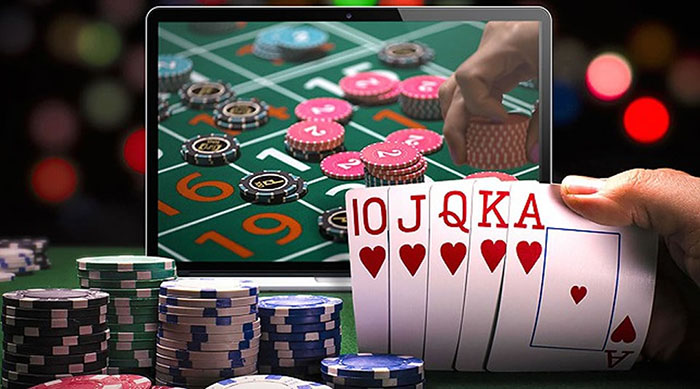
Moreover, the concept of risk and reward plays a significant role in gambling behavior. Individuals are often drawn to the potential for a big win, which can overshadow the reality of odds and probabilities. This cognitive bias leads many to believe that they are more likely to win than they really are, further fueling their desire to gamble.
The Role of Cognitive Biases in Gambling
Cognitive biases are mental shortcuts that can lead to errors in judgment. In gambling, several biases come into play, influencing decisions and behaviors. For example, the illusion of control bias leads players to believe they can influence the outcome of a game through their actions. This misguided belief can make the act of gambling more appealing and increase the time spent playing.
Another common bias is the gambler’s fallacy, where individuals think past outcomes will affect future events. For example, a player may believe that if a particular number hasn’t come up in a while, it is “due” to win soon. Such misconceptions can drive people to make irrational bets, often leading to greater losses.
The Impact of Social and Environmental Factors
The social environment significantly affects gambling behavior. Many individuals gamble as a social activity, using it as a way to bond with friends or escape everyday stressors. Peer pressure can also play a role, where individuals feel compelled to gamble to fit in with their social circle. This social dynamic often exacerbates risky behaviors, leading to excessive gambling.
Additionally, the environment in which one gambles, whether it be in a physical casino or an online platform, can influence decision-making. The availability of gambling options and the design of gaming spaces often encourage longer play sessions, blurring the lines between entertainment and addiction. Understanding these environmental cues is crucial in recognizing the hidden factors that drive gambling decisions.
Debunking Myths About Gambling Behavior
There are numerous myths surrounding gambling that can distort perceptions and encourage harmful habits. One prevalent myth is that gambling is purely a game of luck. While chance does play a role, skill, strategy, and knowledge of the game are equally essential. Many players underestimate the importance of these factors, believing they can win consistently based solely on luck.
Another common myth is the belief that a player can “chase” their losses. This notion often leads to further financial troubles, as individuals may continue to gamble in hopes of recovering lost money. Understanding and debunking these myths is vital for promoting responsible gambling behaviors and making informed decisions.
Exploring Resources for Responsible Gambling
For those seeking to understand the psychology of gambling better, numerous resources are available that promote responsible gaming. Educational materials can help individuals recognize cognitive biases and debunk common myths, equipping them with the knowledge to make healthier choices. Additionally, many organizations offer support for individuals struggling with gambling addiction, providing avenues for recovery and understanding.
Seeking help and information is paramount in fostering a healthier relationship with gambling. By educating oneself about the psychological underpinnings of gambling, individuals can develop more responsible behaviors and engage with games of chance more mindfully. Understanding the hidden factors driving decisions is the first step towards ensuring that gambling remains a form of entertainment rather than a destructive habit.